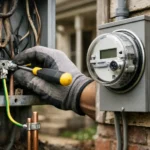
A cooktop circuit is not just one more wire run. When homeowners ask, “What is involved in running a 240 volt circuit for a cook top, 30 amp 240 volt line?” the real answer usually starts with the panel, not the appliance. If the panel is full, undersized, or one of the older problem brands seen all over East Bay homes, the job can go from simple to safety-critical fast.
What is involved in running a 240 volt circuit for a cook top, 30 amp 240 volt line?
At the basic level, the work includes checking the cooktop nameplate, confirming the required circuit size, verifying panel capacity, installing a 2-pole 30 amp breaker, running the correct cable or conduit, terminating the wiring properly, and testing the circuit under load. That sounds straightforward, but several details matter.
A 240 volt cooktop typically needs two hot conductors and an equipment ground. Some units also require a neutral, depending on the manufacturer and whether there are 120 volt components in the appliance controls. That is why the installation instructions always come first. You do not guess on cooktop wiring.
For a true 30 amp branch circuit, the conductor size is usually 10 gauge copper, but wiring method matters. In finished homes, access can be the hardest part of the job. If the kitchen is on a slab, if there is no crawlspace, or if the walls are plaster, fishing a clean run can take more labor than the electrical terminations.
Start with the appliance requirements
One of the most common mistakes is assuming every cooktop uses the same circuit. Some electric cooktops need 40 or 50 amps. Others are designed for 30 amps. The model number and installation sheet decide that, not the old wiring sitting in the wall.
If the manufacturer calls for a 30 amp 240 volt circuit, the electrician will match the breaker and wire size to that listing. Oversizing the breaker to stop nuisance tripping is not a fix. It is a code and safety problem.
Another detail is whether the appliance is hardwired or cord-and-plug connected. Many cooktops are hardwired into a junction box in the cabinet below. That affects the box type, connector, cable protection, and service access.
Panel capacity and breaker space matter
The panel has to be able to accept a new 2-pole breaker, and it has to have the capacity for the added load. In older homes, especially homes with electric dryers, added microwaves, disposal circuits, and newer kitchen remodels, that panel calculation matters more than people think.
If the existing panel is full, an electrician may need to install approved tandem breakers, add a subpanel, or recommend a main panel upgrade. If the panel is a Federal Pacific, Zinsco, or another obsolete problem panel, adding a new 240 volt line may not be the right next step until the panel issue is corrected. This comes up often in older Oakland and Berkeley homes where the kitchen gets updated but the service equipment never did.
Running the new 30 amp 240 volt line
The route from the panel to the cooktop location drives the labor. In an unfinished basement or crawlspace, the run may be fairly direct. In a two-story home with finished walls, limited attic access, or tile and plaster finishes, the job can take careful routing to avoid opening large wall sections.
Depending on the house construction, the wiring may be run in NM cable where permitted, or in conduit with individual conductors. Conduit is common in some local conditions and can make future wire changes easier, but it takes more installation time. The branch circuit must also be supported properly, protected from physical damage, and terminated in approved boxes with the correct fittings.
Permits, code, and inspection issues
A cooktop circuit is not handyman work. A licensed electrician will look at grounding, bonding, breaker compatibility, box fill, conductor type, and disconnecting means if required by the equipment instructions. In some jobs, permit requirements apply, especially if the work is part of a larger kitchen remodel or panel upgrade.
Code compliance is not just about passing inspection. It is about making sure the breaker actually protects the wire, the appliance is connected the way the manufacturer requires, and the circuit will hold up under normal cooking load without overheating connections.
What can make the job bigger than expected?
The surprises are usually behind the walls or inside the panel. Aluminum branch wiring, double-tapped breakers, undersized service, missing grounding, damaged conduit, hidden junction boxes, and abandoned remodel wiring can all slow the work down.
Sometimes the cooktop replacement exposes an old incorrect installation. A previous installer may have tied a cooktop into an oven circuit, used the wrong breaker size, or left splices buried in the wall. Correcting those conditions is part of doing the job safely.
For homeowners, the practical takeaway is simple. Running a 30 amp 240 volt line for a cooktop is often a clean one-day job when the panel is sound and access is decent. If the panel is outdated or the house wiring is old, that same project can turn into a panel repair, service upgrade, or code correction job. An experienced electrician should be able to tell the difference before the work starts, which is exactly why this type of circuit should be evaluated in person instead of priced by guesswork over the phone.