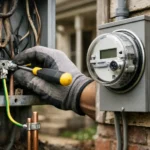
IN order to change pg&e main panels, every electrician as of this march 29th, has to have a plastic its identity card, with a picture of the electrician who is scheduled to do the work, not just the owner or boss, but every electrician actually working on pg&e overhead and underground panel systems, whether it’s 120/240 single phase, or 277.480 three phase, or 120/208 three phase systems, or pg&e may not reconnect your new panel installed by unqualified, uncertified men. For good reason. Geoff Williams has that identity card and keeps it in his wallet at all times for the termination man crews to see when they arrive to either connect or disconnect your power. A panel change is not a job to treat like a quick breaker swap. Your electrical panel is the control center for the whole property, and replacing it can involve permits, a utility shutoff, grounding work, service equipment, inspection, and several hours without power. Knowing how to prepare for a panel change ahead of time helps prevent delays, protects your property, and gives the electrician room to do the work correctly.
For many East Bay homes, the panel itself is only part of the issue. An older house may have a Federal Pacific, Zinsco, fuse panel, damaged bus bars, undersized service, missing grounding, deteriorated meter equipment, or wiring that does not meet current safety requirements. The preparation should match the actual condition of the electrical system, not just the appearance of the panel door.
Confirm What Kind of Panel Work You Need
A panel change and a service upgrade are related, but they are not always the same job. A like-for-like panel replacement may keep the existing service size, meter location, and utility service conductors if those components are in acceptable condition. A 100-amp to 200-amp upgrade is larger work. It can require a new meter-main, service entrance equipment, grounding electrode upgrades, PG&E coordination, and changes to overhead or underground service.
Before scheduling work, be clear about the reason for the project. Repeated tripping, heat damage, a failed breaker, a home inspection report, an EV charger, a kitchen remodel, or insurance concerns can each lead to a different scope of work. A panel that is simply full may need a larger panel or load-management solution, while a known hazardous Federal Pacific or Zinsco panel generally calls for replacement rather than another repair.
Do not assume that adding more breaker spaces means you have more electrical capacity. Panel space and service capacity are different. A qualified electrician should perform a load calculation when new major loads are planned, including electric vehicle charging, heat pumps, electric ranges, dryers, hot tubs, or air conditioning.
How to Prepare for a Panel Change Before the Estimate
The best preparation begins with accurate information. If you have a home inspection report, previous electrical invoices, photos of the panel with the cover closed, or records of prior permits, keep them available. These details can help identify whether the job involves only the panel or includes a service upgrade, subpanel, grounding correction, or utility work.
Make a list of electrical problems you have noticed. Include breakers that trip, lights that flicker, outlets that stop working, buzzing sounds, warm breakers, burning odors, or circuits that have been added without clear labels. Also identify future plans. It is less expensive and less disruptive to plan panel capacity for an EV charger or remodeling project now than to reopen electrical work later.
An electrician will need access to the panel, meter, and often the areas where grounding electrodes, water piping, or service conductors are located. Clear stored boxes, shelving, furniture, and landscaping away from the work area. In a garage, remove vehicles if they block the panel or make it difficult to bring in equipment. In a multi-unit building or commercial space, confirm who controls access to electrical rooms, common areas, and meters.
Handle Permits and PG&E Coordination Early
Panel replacement work commonly requires an electrical permit and final inspection. The exact requirements depend on the city, the existing equipment, and whether the service is being changed. Oakland, Berkeley, Piedmont, and nearby jurisdictions can have different permitting procedures, so this should be confirmed before work starts, not after the panel has been opened.
If the job requires the utility service to be disconnected, PG&E scheduling becomes part of the timeline. A service upgrade may require utility review, approved equipment, and a planned shutoff before the electrician can replace meter or service equipment. Overhead and underground services have different field conditions. Underground work can involve conduit, trenching, damaged lateral equipment, or utility-owned components that cannot be altered by the homeowner or electrician.
Do not schedule movers, a major inspection contingency deadline, appliance delivery, or a tenant move-in on the same day as a service change if you can avoid it. Utility and inspection timing can shift, particularly when older equipment creates an unexpected correction. Good planning leaves room for the job to be completed safely instead of forcing rushed decisions.
Plan for the Power Outage at Home or Work
Most panel changes require a complete power shutdown. The outage may be a few hours for straightforward work, but it can last longer when a service disconnect, utility coordination, permit correction, or unexpected wiring issue is involved. Treat the schedule as an estimate until the condition of the existing equipment has been verified.
Before the shutoff, charge phones, laptops, medical devices with battery backup, and portable power banks. Save computer work and shut down sensitive electronics properly. If you depend on powered medical equipment, refrigerated medication, security systems, sump pumps, aquariums, or business equipment, discuss that need before the job is scheduled. Some needs require a separate plan, temporary power, or a different work date.
Keep refrigerator and freezer doors closed during the outage. If you operate a business, plan for point-of-sale systems, internet equipment, access controls, refrigeration, and alarm monitoring. A restaurant, retail space, or office may need the work done during off-hours, but off-hours utility coordination is not always available. This is one of the trade-offs that should be discussed before permits are pulled.
Make the Work Area Safe and Accessible
On the day of the panel change, adults who can answer questions should be available by phone or on site. Pets should be secured away from the work area. Children should not be near the panel, service equipment, tools, or open electrical enclosures.
Clear at least a practical working path from the entry point to the panel. The electrician may need to carry a new panelboard, breakers, conduit, grounding materials, and testing equipment. If the panel is behind a locked gate, in a tenant area, or near a parked vehicle, solve that access issue before the crew arrives.
Wall damage is not always avoidable. Older panels may have short conductors, brittle insulation, hidden splices, or conduit that must be adjusted to install code-compliant equipment. A careful electrician minimizes disruption, but panel work is safety work first. Cosmetic patching, painting, or cabinet modifications are often best scheduled after the electrical inspection is complete.
Expect Older Wiring Issues to Affect the Scope
Many homes in Oakland and Berkeley were built long before modern electrical loads and safety rules. A panel change can expose ungrounded branch circuits, knob-and-tube wiring, aluminum branch wiring, double-tapped breakers, improper neutral connections, or circuits with no reliable identification. These conditions do not mean the project has failed. They mean the electrician has found work that should be evaluated before energizing the new panel.
Ask how the existing circuits will be labeled and whether GFCI or AFCI protection is required for the affected areas. Modern breaker requirements can add cost, but they address shock and fire risks in kitchens, bathrooms, garages, bedrooms, laundry areas, and other locations. The right answer depends on the permit scope and the wiring condition, not a one-size-fits-all rule.
Ask the Right Questions Before You Approve the Work
A clear estimate should explain whether it includes the panel, breakers, permit, inspection, grounding and bonding work, meter equipment, utility coordination, circuit labeling, and disposal of old equipment. If it is a service upgrade, ask whether the price includes PG&E-related preparation and what conditions could create additional work.
You should also ask who will pull the permit, whether the contractor is licensed, bonded, and insured, and how inspection corrections are handled. For older or hazardous panels, experience matters. Replacing a Federal Pacific or Zinsco panel is not just a matter of moving wires from one box to another. The electrician must evaluate damaged conductors, breaker compatibility, service condition, and the safety of every connection being transferred.
A panel change is a good time to make practical decisions about the next decade of the property. Leave room for future circuits where possible, plan for an EV charger if one is likely, and correct known grounding or wiring defects while qualified electrical work is already underway. A properly planned panel change gives you more than a new metal box on the wall – it gives the property a safer, more dependable electrical foundation.