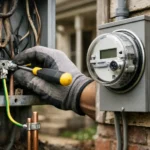
A small blue or white flash when a plug goes into a receptacle can be alarming, especially in an older Oakland or Berkeley home. So, why does an outlet spark? In some cases, it is a brief and normal electrical arc as the plug blades make contact. In other cases, sparking points to a loose connection, worn receptacle, overloaded circuit, damaged cord, or a problem that needs prompt electrical repair.
The difference matters. Electricity should stay contained inside the outlet and wiring system. Repeated sparking, heat, burning odor, discoloration, or a breaker that trips with the spark are not normal conditions to ignore.
Why Does an Outlet Spark When You Plug Something In?
An electrical arc occurs when current jumps a tiny gap between conductive surfaces. When you insert a plug, one blade may touch the outlet contact just before the other blade is fully seated. If the device is already switched on and drawing power, the current can create a quick, visible spark.
This is most common with devices that have a motor, heating element, or internal power supply. Vacuum cleaners, space heaters, window air conditioners, power tools, coffee makers, and larger chargers can all create a small snap at the outlet when they are switched on before plugging them in.
A single, tiny spark that happens occasionally, with no heat or odor, may simply be the normal connection process. Turning the appliance off before plugging it in reduces that initial electrical load and often stops the spark.
But an outlet should not throw a large spark, crackle continuously, smoke, feel warm, or show black marks. Those symptoms suggest arcing where it does not belong.
When a Sparking Outlet Is a Warning Sign
The size, frequency, color, and circumstances of the spark help determine how urgent the problem may be. A brief blue spark at the moment a plug enters a good outlet is different from a yellow or orange spark that continues after the plug is in place.
A sparking outlet needs professional attention when you see any of the following conditions:
- The outlet cover, plug, or wall feels warm or hot.
- There is a burning-plastic, fishy, or smoky odor.
- The receptacle has soot, brown staining, melted plastic, cracks, or loose slots.
- The plug falls out easily or wiggles in the outlet.
- The outlet crackles, buzzes, or sparks while nothing is being plugged in.
- A breaker trips, lights flicker, or power cuts out when a device is connected.
- The same appliance sparks at multiple outlets, or several appliances spark at one outlet.
Do not keep testing a suspicious outlet by plugging things in again. Unplug the device if it can be removed safely without touching damaged areas. Turn off the circuit breaker if you know which breaker serves that outlet, and arrange for an electrician to inspect it.
Loose Outlet Contacts Create Heat and Arcing
Inside every receptacle are spring-loaded metal contacts that grip the plug blades. Over years of use, those contacts can weaken. A loose plug connection has more electrical resistance than a tight one, and resistance creates heat.
That heat can damage the outlet, plug, wire insulation, and connections in the electrical box. It can also cause intermittent arcing as a plug moves slightly under load. This is a common issue in heavily used kitchen, living room, office, and rental-property outlets.
Replacing a worn receptacle is usually straightforward, but the electrician should also check the wiring connections behind it. A new outlet installed on a burned or loose wire connection does not correct the underlying problem.
Loose Wiring Behind the Receptacle
A receptacle can look fine from the front while the wiring behind it is failing. Loose terminal screws, worn backstab connections, damaged conductors, and overheated splices can all arc inside the box.
This is especially relevant in older East Bay homes where receptacles may have been changed over several decades by different owners or handymen. Aluminum branch-circuit wiring, ungrounded two-wire circuits, knob-and-tube wiring, and old cloth insulation require a more careful evaluation than a simple outlet swap.
Sparking from inside the wall, a buzzing sound, or a warm cover plate should be treated as an urgent repair issue. Shut the circuit off. Electrical arcing inside a wall box can damage insulation and create a fire hazard before a breaker has enough overload to trip.
The Appliance or Cord May Be the Problem
The outlet is not always at fault. A damaged appliance cord, bent plug blade, loose plug connection, or failing internal switch can spark when connected. A cord that is pinched under furniture, chewed by pets, cracked from age, or repaired with tape should not remain in service.
Try a simple comparison only if there are no signs of heat or damage: switch the appliance off, then plug it into another known-good outlet. If it sparks at more than one outlet, stop using the appliance and have the cord or equipment repaired or replaced. If several different devices spark at one specific receptacle, the receptacle or circuit is the likely concern.
High-wattage portable equipment deserves extra caution. Space heaters, portable air conditioners, microwaves, toaster ovens, and EV charging equipment should not be run through extension cords or power strips unless the equipment instructions specifically allow it. Overloaded cords and undersized power strips are frequent sources of overheated plugs and damaged outlets.
Outlet Spark vs. Breaker Panel Problem
A bad outlet can be a localized repair. Sometimes, though, it is a symptom of a larger circuit or panel issue. If a sparking outlet is accompanied by frequent breaker trips, dimming lights, buzzing breakers, power loss in multiple rooms, or signs of overheating at the panel, the investigation needs to go beyond the receptacle.
Older Federal Pacific/Stab-Lok panels, Zinsco panels, fuse panels, and deteriorated service equipment deserve particular attention. These systems can have known reliability concerns or may lack the capacity and safety features needed for modern electrical loads. Adding EV charging, air conditioning, induction cooking, office equipment, or electric heat to an older home can expose weak wiring and overloaded circuits that were not obvious before.
A qualified electrician can test the outlet, inspect the branch-circuit wiring, check breaker operation, and determine whether the repair is limited to one device box or whether a circuit upgrade, grounding correction, GFCI protection, AFCI protection, or panel work is needed.
GFCI and AFCI Protection Can Help, but They Are Not a Substitute for Repair
Ground-fault circuit interrupter outlets, commonly called GFCIs, are designed to reduce shock risk. They are required in many locations where moisture is present, including bathrooms, kitchens, garages, exterior areas, laundry spaces, and crawl spaces. A GFCI may trip when it detects an imbalance in current, but it will not repair a loose outlet or damaged wire.
Arc-fault circuit interrupter protection, or AFCI protection, is designed to recognize certain dangerous arcing conditions. It is often required for newer or remodeled living-area circuits. AFCI breakers can provide valuable protection, particularly in older homes with aging branch wiring, but nuisance trips or repeated trips should be diagnosed rather than bypassed.
If an outlet sparks near a sink, in a bathroom, outdoors, or in a garage, take it seriously. Water, damaged equipment, and electricity are a bad combination. Do not use an outlet that is wet, corroded, or not protected correctly for its location.
What You Can Do Safely Before Calling an Electrician
Start by turning the appliance off before connecting it. Check the plug and cord for visible damage, and make sure the plug fits firmly in the outlet. Avoid using adapters that defeat grounding, overloaded power strips, or extension cords for permanent wiring.
If the spark was tiny and happened once with a working appliance, monitor the outlet. If it happens again, or if there is any heat, smell, sound, discoloration, loose fit, or breaker activity, stop using that outlet. Do not remove the cover plate or pull the receptacle out of the wall while the circuit is energized.
For homeowners, landlords, and real estate buyers, a sparking outlet is worth documenting. Note what was plugged in, whether the appliance was on, which breaker controls the circuit, and whether other outlets or lights were affected. That information helps an electrician find the fault faster and avoids guesswork.
Williams Electric handles outlet repairs, circuit troubleshooting, grounding corrections, GFCI and AFCI upgrades, breaker replacement, and older-panel evaluations throughout Oakland, Berkeley, Piedmont, and Lafayette. A properly repaired outlet should hold a plug securely, stay cool under normal use, and connect power without crackling or visible arcing. If yours does not, leave that circuit off and have the condition checked before it becomes a burned connection behind the wall.