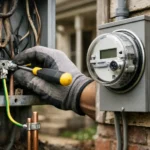
A failed rental inspection can turn into a vacancy, an upset tenant, and a rushed repair bill fast. Landlord code correction is not just about clearing a checklist. It is the work of finding electrical conditions that can shock someone, start a fire, or fail when a tenant needs power most – then correcting them properly, with permits and inspections where required.
For East Bay rental owners, the challenge is often the age of the building. Oakland, Berkeley, Piedmont, and Lafayette have many homes and small multifamily properties with old panels, aging branch wiring, ungrounded receptacles, overloaded circuits, and alterations made by previous owners. A property can look clean and still have serious electrical deficiencies behind the walls or inside the service equipment.
What Landlord Code Correction Usually Means
Electrical code correction starts with the actual condition at the property, not assumptions. A city inspector, home inspector, tenant complaint, insurance carrier, or contractor may identify an issue. Some problems are plainly visible, such as an open junction box or missing panel cover. Others require testing, tracing, and a close look at the electrical system.
The correction work may be small, such as replacing a damaged receptacle with a proper grounded and protected device. It may also involve a larger repair, including a service-panel replacement, new grounding electrode system, circuit additions, or replacing unsafe wiring. The right scope depends on the building’s existing equipment, the alteration being made, and the requirements of the authority having jurisdiction.
A correction notice does not automatically mean the entire building must be brought up to the newest code. That is a common misunderstanding. Existing installations may be allowed to remain if they are safe and legal under the applicable rules. But when work is altered, extended, or replaced, newer requirements can apply to that portion of the system. Major safety defects should be addressed regardless of whether a remodel is planned.
Electrical Problems That Commonly Trigger Corrections
Rental properties tend to produce repeat inspection issues because wear, tenant use, and old infrastructure all add up. The most common problems are usually straightforward, but they should not be treated as cosmetic repairs.
Unsafe or Obsolete Electrical Panels
Federal Pacific/Stab-Lok panels, Zinsco panels, old fuse panels, and panels with heat damage deserve immediate attention. Breakers that appear to be off may not reliably disconnect power under a fault. Corroded bus bars, burned breaker connections, double-tapped breakers, missing knockouts, and improper panel labeling can also create inspection and safety problems.
A panel correction may involve reorganizing existing circuits, replacing damaged breakers where appropriate, or installing a new panel. If the existing service is undersized for the property, a 100-amp to 200-amp PG&E service upgrade may be the practical answer. That is especially true where a rental has electric heat, added appliances, a laundry circuit, an EV charger, or multiple accessory spaces drawing power from an already crowded panel.
Missing GFCI and AFCI Protection
Ground-fault circuit-interrupter protection is commonly required in locations where people are more exposed to moisture and ground contact, including bathrooms, kitchens, garages, exterior areas, laundry spaces, crawl spaces, and other applicable locations. A GFCI receptacle that will not reset, is wired incorrectly, or lacks needed protection is not a minor detail.
Arc-fault circuit-interrupter protection is another frequent issue when circuits are modified or added. AFCI protection is designed to help detect dangerous arcing conditions in wiring and cords. The exact requirement depends on the circuit, location, and scope of work, so this is not an area for guessing based on an old online diagram.
Improper Grounding and Ungrounded Outlets
Many older East Bay properties were built with two-wire circuits and receptacles without an equipment grounding conductor. Installing a three-prong receptacle on an ungrounded circuit without an approved correction is unsafe and misleading. It gives tenants the appearance of a grounded outlet when there may be no safe path for fault current.
Possible solutions depend on the wiring and access. An electrician may install GFCI protection with the required labeling where permitted, run a new grounding conductor in certain situations, or replace the circuit. The best option depends on the condition of the existing wiring and what the property needs long term.
Open Boxes, Bad Splices, and Damaged Wiring
Electrical splices must be contained in accessible approved junction boxes. Hidden splices above a ceiling, loose wire nuts in a wall cavity, cracked outlet boxes, exposed conductors, and missing cover plates are all conditions that can lead to a correction order.
Knob-and-tube wiring needs special caution. It can remain in limited existing applications, but age, insulation contact, improper alterations, and lack of grounding often make it a poor fit for a rental property expected to perform reliably for years. Adding new loads onto fragile old wiring is usually not a sound repair strategy.
Start With a Real Electrical Assessment
A correction notice tells you what was observed. It may not identify every cause behind the problem. For example, a tripping breaker might be caused by an overloaded tenant circuit, a failing appliance, damaged branch wiring, or a bad breaker connection in the panel. Replacing the breaker without testing can leave the real hazard in place.
A proper assessment should identify the service size, panel condition, grounding and bonding, circuit loading, wiring methods, receptacle polarity, GFCI and AFCI needs, and visible damage. In a multifamily building, common-area circuits, house meters, laundry equipment, exterior lighting, and separate tenant panels should all be reviewed. A landlord should also provide any inspection report, prior permit records, and details about recent remodeling or tenant complaints.
Do not rely on a handyman to diagnose panel damage, service equipment, or energized wiring. Landlord electrical corrections often look simple until the cover comes off. Licensed electrical work protects the property owner as well as the tenant because the repair can be permitted, inspected, documented, and supported by a qualified contractor.
Permits Are Part of the Repair, Not Extra Paperwork
Whether a permit is required depends on the work and local jurisdiction. Panel replacements, service upgrades, new circuits, substantial rewiring, and many equipment installations typically require permits and inspection. A simple device replacement may not, but the underlying condition can change the answer.
Skipping a required permit can create problems when the unit is reinspected, sold, refinanced, or reviewed after an insurance claim. It can also leave a landlord with no clear record that a dangerous condition was corrected correctly. The small upfront savings disappear quickly if walls have to be reopened or finished work must be redone.
For service upgrades, coordination with PG&E is often necessary. Overhead and underground services have different requirements, and utility-side work must be planned around the service equipment, meter location, clearances, and local inspection process. This is where experience matters. A service change affects the whole building, not just the panel on the wall.
Plan Repairs Around Tenants and Property Operations
Occupied rentals require more planning than owner-occupied homes. Power shutdowns affect refrigeration, internet, medical equipment, work-from-home tenants, security systems, and common-area lighting. Give proper notice, set realistic outage expectations, and avoid scheduling major work before a holiday weekend or a tenant move-in.
For a small correction, disruption may be limited to one circuit. A panel replacement or service upgrade can require a longer shutdown and coordination with the utility. The trade-off is clear: phased repairs can reduce disruption, but they can cost more and leave old equipment in service longer. When a panel is unsafe or badly deteriorated, prompt replacement is usually the better decision.
Document the work before and after completion. Keep the inspection record, permit final, invoice, panel directory, and any recommendations for future upgrades. This helps the next property manager, future buyer, insurance agent, or electrician understand what was done.
Do Not Wait for the Next Complaint
A hot outlet, recurring breaker trip, flickering lights, burning smell, buzzing panel, or tenant report of shocks should be treated as a service call, not a maintenance item to revisit later. Shut off affected equipment if it can be done safely, keep tenants away from damaged electrical parts, and have the condition evaluated.
Williams Electric has handled electrical correction work in older East Bay homes and rentals for decades, including hazardous Federal Pacific, Zinsco, fuse-panel, grounding, wiring, and service-upgrade issues. The practical goal is not to sell unnecessary work. It is to identify what is unsafe, correct what the inspection requires, and leave the electrical system in a condition that can serve tenants reliably.
A clean inspection is useful, but the better outcome is a rental where tenants are not living with hidden electrical risks and the owner is not one emergency call away from a much larger repair.