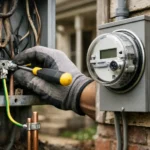
A sale can go sideways fast when the home inspector opens the panel, finds double taps, missing GFCI protection, or an old Federal Pacific breaker panel. These are the top electrical fixes before closing because they affect safety, insurance, lender confidence, and whether the buyer feels comfortable moving forward.
In real estate, electrical problems are different from cosmetic defects. A scratched floor can wait. A hazardous service panel, open splice, or ungrounded kitchen circuit usually cannot. Buyers see risk, agents see delays, and sellers often end up paying more when repairs are pushed to the last minute.
Why these repairs matter before closing
Most electrical corrections come up for one of three reasons. The home inspection flagged them, the buyer asked for licensed repairs, or the lender or insurance company raised concerns. In older East Bay homes, especially ones with multiple remodels over the years, it is common to find a mix of old wiring, newer add-ons, and work that was never cleaned up properly.
The right approach is not to fix every minor item in the house. It is to handle the defects that create real safety issues, code problems, or red flags in escrow. That usually means panel issues first, then grounding and protection, then visible wiring defects and missing devices.
The top electrical fixes before closing that come up most often
1. Replace dangerous or obsolete electrical panels
This is the big one. If the house has a Federal Pacific, Stab-Lok, Zinsco, fuse panel, or another outdated service panel with a history of failure, expect questions from buyers, inspectors, and insurance carriers. These panels are not just old. Some have well-documented safety concerns involving breakers that may not trip properly.
A panel replacement is not the cheapest repair in escrow, but it is often the most important. If the panel is scorched, overcrowded, missing proper labeling, or showing signs of water damage or overheating, patching around it usually does not solve the real problem. In many cases, replacement is cleaner than trying to repair a bad panel with a stack of other corrections.
It also depends on the home. A small older house with a 100-amp service may still function, but if the panel is unsafe or undersized for modern loads, buyers will notice. If the property already has air conditioning, newer kitchen appliances, or plans for an EV charger, a 200-amp upgrade may make more sense than another temporary fix.
2. Correct double-tapped breakers and overloaded circuits
Inspectors catch this all the time. A double tap happens when two conductors are placed under a breaker terminal that is only listed for one. Sometimes it was done to add a quick circuit years ago. Sometimes it happened during a remodel. Either way, it is a common repair request before closing.
This can be a simple correction or a sign of a crowded, undersized panel. If there is room, the fix may be straightforward. If the panel is packed and circuits have been added without planning, that points back to a panel upgrade or subpanel installation. The trade-off is cost versus long-term reliability. A cheap correction may get through escrow, but if the service is already maxed out, the new owner inherits the problem.
3. Add missing GFCI and AFCI protection
Missing GFCI protection in kitchens, bathrooms, garages, exterior outlets, laundry areas, and other required locations is one of the most common electrical deficiencies in a home sale. Buyers notice it because inspectors test receptacles immediately. This is usually a practical repair and often worth doing before the buyer asks.
AFCI protection can also come up, especially where newer circuit modifications were made. Not every old house needs to be brought fully up to current code in every area just because it is being sold, but if there was recent work, altered circuits, or obvious safety exposure, protection upgrades are often part of getting the system inspection-ready.
This is where experience matters. You do not want random device swaps without checking line and load relationships, shared neutrals, bootleg grounds, or miswired receptacles. A GFCI that trips for no clear reason usually means there is another wiring defect upstream.
4. Fix grounding and bonding defects
A home can look fine on the surface and still have poor grounding. Inspectors may note missing bonding at the water service, improper grounding electrode connections, open grounds at receptacles, or an old two-wire system with three-prong outlets that suggest false grounding.
Grounding problems matter because they affect shock protection and fault clearing. They also tell the buyer that other electrical work may have been done carelessly. Some grounding corrections are simple. Others are tied to the condition of the service equipment, branch wiring, or metal water piping.
If a seller wants one repair that improves both safety and buyer confidence, grounding and bonding corrections are high on the list. They are not flashy, but they matter.
Wiring corrections that can derail a deal
Open splices, exposed wiring, and unsafe junctions
Loose wire nuts in attics, buried junction boxes, exposed splices under the house, and missing box covers are classic inspection items. These are the kinds of defects that make buyers wonder what else was done wrong. They are usually visible, easy to photograph, and hard to explain away.
The fix is not complicated when handled correctly. Splices belong in accessible boxes with proper covers, cable support, and secure connections. If there is old abandoned wiring mixed in, it should be identified and made safe rather than left hanging in place.
Receptacles and switches that are damaged, reversed, or ungrounded
A few dead outlets may not kill a deal, but a pattern of reverse polarity, open grounds, loose receptacles, and broken switches can. These defects suggest deferred maintenance and make a house feel neglected.
Sometimes the issue is just worn devices. Sometimes it points to older branch wiring, shared circuits, or hidden damage in the walls. The right repair is based on testing, not guessing. A fast device replacement without diagnosing the circuit can create callbacks during escrow, which is exactly what sellers want to avoid.
Knob-and-tube and partial rewiring problems
Knob-and-tube wiring does not automatically mean a house cannot sell. But if it is active, altered badly, buried in insulation, or mixed with newer wiring in unsafe ways, it becomes a negotiation point fast. Buyers and insurers often react strongly to it.
This is an area where half-measures can waste money. If the visible problem is only the tip of the iceberg, a selective rewire or circuit replacement may be smarter than piecemeal fixes. It depends on access, budget, and how much of the system is still active.
What sellers, buyers, and agents should prioritize
Not every flagged item deserves the same attention. The priority should usually be safety hazards first, then defects that affect insurance or financing, then items that create obvious inspection objections. A missing cover plate is minor. A burned bus bar, obsolete panel, or ungrounded wet-location receptacle is not.
For sellers, speed matters, but documentation matters too. Licensed electrical work gives the buyer more confidence than a vague promise that something was fixed. For buyers, the goal is not to create a wish list of upgrades. It is to understand which defects are normal in an older house and which ones point to real electrical risk.
For agents, the cleanest escrows happen when the electrical work is scoped early and repaired by someone who handles service changes, panel replacements, wiring correction, and inspection-related repairs all the time. That keeps the job focused and reduces the chance of multiple return visits.
How to avoid over-repairing before closing
There is a difference between making a home safe and trying to modernize the entire electrical system during escrow. Sellers do not always need a full rewire. Buyers do not always need every old outlet replaced. The decision should come down to hazard, function, and whether the issue is likely to hold up the sale.
A smart electrical repair strategy before closing is targeted. Fix the panel if it is dangerous. Correct the grounding if it is defective. Add required protection where it is clearly missing. Clean up unsafe wiring. Then stop. Escrow is not the time to take on elective upgrades unless they solve a known objection.
Williams Electric has seen this pattern for years in older homes where one bad panel or a handful of wiring defects caused most of the stress in the transaction. The work that matters most is usually not complicated to identify. It just needs to be done correctly, by a licensed electrician who knows how to separate a real safety issue from a minor punch-list item.
If you are heading toward closing, the best move is to deal with the electrical problems that buyers, inspectors, and insurers care about before they become a last-minute scramble.