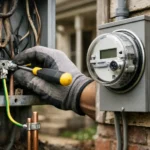
A breaker that trips once is an inconvenience. A panel that runs hot, smells burned, has corrosion inside, or cannot support a new appliance is a safety and reliability problem. If you are looking for a Berkeley electrician for panel change work, the job should begin with a close look at the existing service equipment, not a quick breaker swap.
Many Berkeley homes have electrical systems installed long before electric vehicles, induction ranges, heat pumps, and modern kitchen loads became common. A proper panel change can correct unsafe equipment, create room for needed circuits, and bring the service closer to current code. But the right scope depends on what is actually feeding the building, how much capacity is available, and whether PG&E service work is involved.
When to Call a Berkeley Electrician for a Panel Change
An electrical panel is the distribution point for nearly every circuit in a home or small commercial building. It contains breakers, bus bars, neutral and grounding connections, and sometimes the main disconnect. When this equipment is old, damaged, overloaded, or from a known-problem product line, replacement is often the sensible repair.
Certain conditions should not be put off. Call for an inspection if you see any of the following:
- Breakers that trip repeatedly or will not reset
- A warm panel cover, buzzing, crackling, burning odor, or discoloration
- Rust, water intrusion, loose breakers, or visible damage inside the panel
- Federal Pacific/Stab-Lok, Zinsco, obsolete fuse panels, or other questionable legacy equipment
- No open breaker spaces for an EV charger, kitchen circuit, heat pump, or remodel
A panel can look acceptable from the outside while having serious problems at the breaker-to-bus connection inside. That is one reason old Federal Pacific and Zinsco equipment deserves a careful professional evaluation. Geoff Williams has worked in electrical service since 1967, has been licensed since 1987, and was interviewed by NBC regarding Federal Pacific/Stab-Lok panel dangers and PG&E service upgrades. Experience matters when the panel is not simply old but potentially unsafe.
A home inspection report may also call out double-tapped breakers, missing grounding, improper neutral connections, open knockouts, damaged conductors, or an undersized service. Some of these items can be corrected without replacing the entire panel. Others point to a larger panel and service upgrade. The electrician should explain the difference clearly before work begins.
Panel Change or Full Service Upgrade?
These are related jobs, but they are not always the same job. A panel change replaces the existing panelboard, breakers, and associated connections while retaining the current service size when it is adequate and in acceptable condition. For example, an existing 100-amp service may receive a new 100-amp panel if a load calculation shows the home does not need more capacity.
A service upgrade increases the electrical service capacity, often from 100 amps to 200 amps. This may involve a new meter-main or meter socket, service entrance conductors, grounding electrode system, main panel, permits, inspections, and coordination with PG&E. Overhead and underground services have different requirements and different practical challenges.
The decision should come from a load calculation and a field inspection, not a guess based on the size of the house. A modest home with gas heat, gas water heating, and no EV may function well on 100 amps. A similar-size home adding an EV charger, electric range, dryer, heat pump, spa, and solar-related equipment may need more capacity or a carefully planned load-management approach.
There is also a middle ground. If the service has enough capacity but the panel is full, a larger panel may provide needed circuit space without changing the utility service. If a home has a 200-amp service but the panel is damaged, outdated, or improperly installed, replacement may be the right repair without an amp increase.
What a Safe Panel Replacement Should Address
A good panel change is more than mounting a new metal box on the wall. The existing circuit wiring has to be identified, evaluated, and terminated correctly. The new equipment must be properly rated for the service and location. Grounding and bonding need to be correct, particularly in older homes where prior alterations are common.
The electrician should check the condition of the service conductors, meter equipment, feeder wiring, grounding electrode conductors, and branch circuits. If aluminum conductors, knob-and-tube wiring, cloth-insulated wiring, or evidence of overheating is present, that may affect the scope. These conditions do not automatically mean every wire in the building must be replaced, but they should not be ignored during a panel change.
Modern code requirements can also affect the project. Depending on the circuits and the work being performed, GFCI and AFCI protection may be required. Outdoor equipment needs weather-rated materials. A new main panel may need clear working space, proper labeling, and a readily accessible disconnect. In a multi-unit property or commercial space, meter arrangements and tenant circuits can add another layer of planning.
This is why the lowest panel-change quote is not always the best value. A price that excludes permit work, grounding corrections, breaker upgrades, circuit labeling, service conductor repairs, or PG&E coordination can become a more expensive job later. Ask what is included and what conditions could change the price after the panel is opened.
Choosing a Berkeley Electrician for Panel Change Work
Panel work is safety-critical electrical service work. The contractor should be licensed, bonded, insured, and comfortable working with the age and construction of East Bay buildings. A panel change often connects old infrastructure to new equipment. That calls for judgment, not just speed.
Ask whether the electrician will inspect the service before recommending 100 amps, 125 amps, or 200 amps. Ask who handles the permit and inspection process. If utility-side work is required, ask whether the contractor is qualified to coordinate overhead or underground PG&E service requirements. These questions are especially important when a buyer is trying to close an inspection item or a landlord needs a reliable repair with minimal tenant disruption.
Clear communication matters as much as technical knowledge. You should know whether power will be off for part of the day, what circuits may need correction, whether wall repair is likely, and whether the utility needs to disconnect and reconnect power. The contractor should also explain the difference between a panel-only replacement and a complete service upgrade in plain language.
Williams Electric is registered as an ITS-qualified PG&E system contractor for overhead and underground systems. That background is useful when a panel project reaches beyond the indoor breakers and into service equipment, metering, or utility coordination.
How the Panel Change Process Usually Works
The first step is an on-site assessment. The electrician examines the existing panel, service rating, wiring methods, load demands, panel location, grounding, and signs of damage. For an upgrade, a load calculation helps establish whether the proposed service size is appropriate for current and planned equipment.
Next comes the job plan. This may include selecting a panel with enough breaker spaces, determining whether a meter-main is needed, identifying required grounding upgrades, and laying out new circuits for an EV charger or other planned load. If PG&E service changes are necessary, the schedule must account for utility requirements and inspection timing.
On installation day, power is shut down and the old equipment is removed. The new panel is installed, circuits are transferred and identified, breakers are matched to conductor sizes and circuit use, and grounding and bonding are completed. The panel directory should be specific enough that a homeowner, tenant, or future electrician can identify circuits without guessing.
Finally, the work is tested and prepared for inspection when a permit is required. A clean installation should not leave loose cables, unlabeled circuits, missing covers, or unexplained dead circuits. If pre-existing wiring defects are found, the electrician should document what was corrected and what remains outside the panel-change scope.
Cost Variables That Deserve a Straight Answer
Panel-change pricing varies because buildings vary. A straightforward replacement with accessible wiring is very different from a 100-to-200-amp upgrade involving an old meter, undersized service conductors, a difficult overhead mast, or an underground utility feed. Permit fees, panel location, number of circuits, needed code corrections, and PG&E requirements all affect cost.
Older Berkeley properties can have surprises behind the panel: deteriorated insulation, short conductors, ungrounded circuits, water damage, or prior unpermitted work. No honest electrician can promise that every concealed issue will be visible before opening the equipment. What a qualified contractor can do is inspect carefully, provide a defined scope, and explain likely contingencies before the work starts.
If you are planning an EV charger, remodel, or major appliance conversion, bring that up during the estimate. It is cheaper and cleaner to plan breaker spaces, conduit routes, and load capacity during the panel project than to redo finished work later.
A panel change is one of those repairs where doing the job correctly pays back every day in safer operation, clearer circuit control, and room to improve the property. Before you choose a contractor, have the existing service inspected and ask for a plan that fits the building you have and the electrical loads you expect to add.