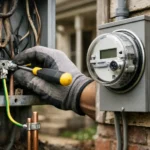
A useful Oakland electrician comparison is not about finding the lowest number on a quick phone quote. It is about finding out whether the electrician understands the actual condition of your wiring, panel, service equipment, and building. That difference matters when a breaker keeps tripping, an inspection report flags a defect, or a 100-amp service cannot support an EV charger, remodel, heat pump, and modern household load.
Oakland has many older homes, duplexes, apartment buildings, and small commercial spaces. Some have equipment that is merely dated. Others have known safety concerns, including Federal Pacific/Stab-Lok panels, Zinsco panels, fuse panels, ungrounded circuits, and knob-and-tube wiring. A contractor who does routine outlet replacements may be a good fit for a small repair. That does not automatically make them the right choice for a service upgrade, a damaged main panel, or a PG&E-related job.
Start an Oakland Electrician Comparison With Scope
Before comparing electricians, define the work. “My power is out” can mean a failed main breaker, a PG&E service issue, a loose meter connection, a damaged feeder, or a problem limited to one circuit. “I need a panel upgrade” may mean adding capacity, replacing unsafe equipment, correcting code violations, relocating equipment, or coordinating an overhead or underground utility service.
A good electrician asks questions before naming a solution. They may want panel photos, the property address, the age of the building, information about permits, the make and model of the panel, and details about what has changed. For example, an EV charger installation may be simple if the existing panel has safe capacity and room for a new breaker. It becomes a larger project if the service is undersized, the panel is obsolete, or the garage requires a long trench or conduit run.
Be cautious with anyone who gives a firm, low price for complex work without looking at the equipment. An estimate should identify what is included and what may change once concealed conditions are found. Older properties regularly produce surprises behind walls, at meter locations, and inside panels.
Compare Credentials That Match the Electrical Work
California electrical work should be performed by a properly licensed contractor when the project requires it. Verify the contractor’s license status, insurance, and bond coverage. For a service change, panel replacement, or work affecting the utility connection, experience with permit procedures and utility requirements is just as important as a license number.
This is where specialization matters. Main service work requires more than installing breakers neatly. The electrician must understand load calculations, grounding and bonding, service disconnect requirements, panel sizing, conductor sizing, meter equipment, clearances, and local inspection expectations. When PG&E equipment or service conductors are involved, the contractor should know how to coordinate the process rather than treating it as an afterthought.
Ask who will actually perform the work. Some companies sell the job through an estimator and send unfamiliar subcontractors later. That model is not always wrong, but you should know what you are buying. For safety-critical work, homeowners often prefer direct access to an experienced electrician who can assess the existing equipment and make decisions in the field.
Older Panels Need Specific Experience
Federal Pacific/Stab-Lok and Zinsco panels deserve special attention. These are not ordinary “old panel” situations. Their breakers and internal components have a long history of concern among electricians, inspectors, and insurers. A panel may look clean from the outside while still having breakers that fail to trip properly or connections that have overheated.
The same applies to fuse panels and certain older split-bus service equipment. An electrician should explain the condition in plain language, identify whether replacement is recommended for safety, capacity, insurance, sale, or inspection reasons, and provide a realistic scope. Replacing a panel is not automatically the same as upgrading the entire service to 200 amps. Sometimes a like-for-like modernization is appropriate; sometimes the building’s present and future load makes a service upgrade the better investment.
Compare Estimates Line by Line, Not by the Bottom Number
Electrical estimates can vary because the scopes are different. One contractor may quote only a panel swap. Another may include a new main breaker, grounding electrode work, surge protection, permit fees, labeling, corrections to damaged wiring, utility coordination, and inspection support. The higher quote may be more complete, or it may include work you do not need. You cannot tell from the total alone.
For panel and service work, ask whether the estimate addresses the existing meter location, grounding and bonding corrections, required arc-fault or ground-fault protection, permit handling, and any anticipated PG&E coordination. For EV charging, ask about circuit size, wire route, breaker type, receptacle versus hardwired equipment, and whether a load calculation is included.
A clear estimate does not mean every condition can be predicted in an older building. It means the contractor separates known work from possible additional repairs. That is more honest than a vague proposal that leaves all details until after work begins.
Low Pricing Can Become Expensive Later
The lowest bid may be reasonable for a straightforward job with easy access and a defined scope. It can also signal skipped permit work, undersized wiring, poor-quality materials, or a contractor who has not accounted for the difficulty of the installation. Electrical work hidden in walls or panel cabinets is not where homeowners want shortcuts.
Price should be weighed against the consequences of failure. A decorative fixture installed incorrectly is inconvenient. A loose service connection, improperly bonded panel, overloaded feeder, or defective breaker can create fire, shock, outage, and inspection problems. The right comparison is value over the expected life of the work, not simply the first invoice.
Look for Clear Safety and Permit Practices
A qualified electrician should not use code language to frighten you, but they should be able to explain why a correction is needed. If an inspector calls for GFCI protection, AFCI protection, grounding upgrades, panel replacement, or wiring repairs, ask the electrician to connect the recommendation to the actual condition found.
Permits are especially relevant for panel changes, service upgrades, major rewiring, and many additions or alterations. A contractor who dismisses permits without a careful explanation may be asking you to accept unnecessary risk. Unpermitted electrical work can complicate a property sale, insurance claim, refinance, tenant issue, or future remodel.
There are limited cases where a small repair does not require a permit. Replacing a failed breaker with the correct listed part, repairing a receptacle, or installing a basic fixture may be handled differently than a service upgrade. The point is not that every job needs the same paperwork. The point is that the electrician should know the difference and explain it clearly.
Compare Communication During Urgent Problems
When a panel is hot, a breaker smells burned, lights are flickering throughout the house, or partial power has failed, fast communication matters. Still, a responsible electrician will not diagnose a serious fault by guesswork. They should ask you to keep clear of damaged equipment, avoid repeatedly resetting a breaker, and contact the utility immediately if there is a suspected service-side hazard.
For non-emergency work, notice how the contractor handles the first conversation. Do they return calls? Do they ask useful questions? Can they explain timing, access needs, likely disruption, and next steps? Good communication is practical evidence of how the project will be handled after the deposit is paid.
Reviews and referrals can help, particularly when they describe similar work. A review that says “great service” is positive but limited. More useful feedback mentions panel replacements, inspection corrections, outage troubleshooting, EV circuits, clean permit closeouts, or difficult older-home wiring. Referrals from real estate agents, inspectors, builders, and repeat homeowners can also be meaningful because those people see the results after the job is complete.
Choose Experience for the Risk Level of the Job
A simple switch replacement and a 200-amp PG&E service upgrade are not equal assignments. Match the electrician’s experience to the risk and complexity of the project. For difficult panel, service, and legacy wiring work, experience with thousands of field conditions is worth more than a polished sales presentation.
Williams Electric is led by Geoff Williams, a licensed electrician with decades of East Bay field experience, including PG&E system work and safety-focused replacement of Federal Pacific, Zinsco, fuse-panel, and other outdated electrical equipment. That kind of specialized background is particularly relevant when an Oakland home has an aging electrical system and the right answer is not obvious from a photo.
When you compare electricians, ask for a scope you can understand, credentials you can verify, and an explanation that fits your property rather than a generic sales pitch. The best contractor will not pressure you into unnecessary work, but they also will not minimize a condition that deserves prompt correction.